Create a long-term roof maintenance plan

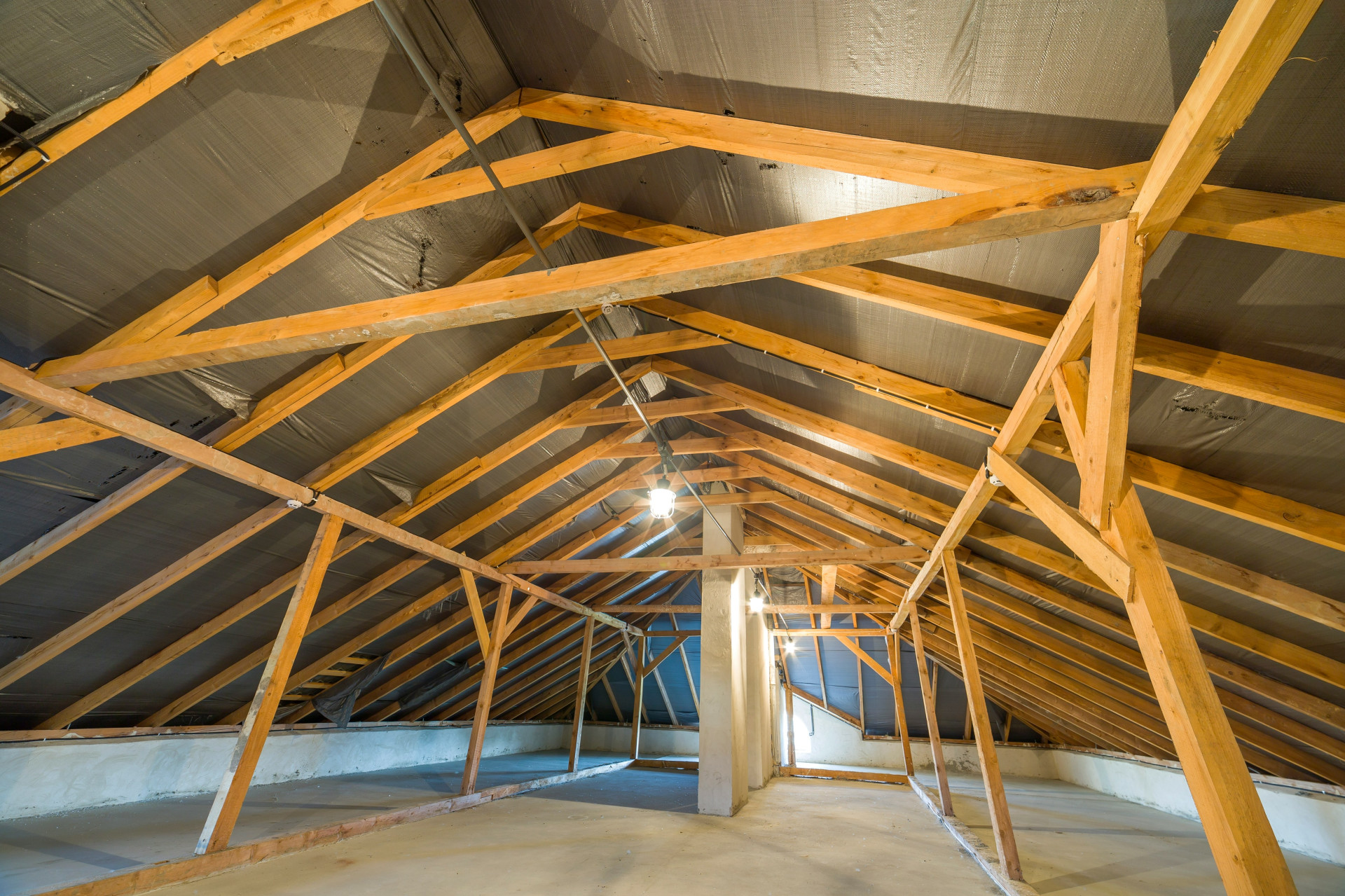
Create a long-term roof maintenance plan
A roof is one of the most important parts of any home – and also one of the most exposed. In India, roofs face intense sunlight, heavy monsoon rains, dust, and sometimes even cyclones. Over time, these conditions can wear down materials and cause leaks or structural damage. By creating a long-term roof maintenance plan, you can extend the life of your roof, protect your home, and avoid costly repairs.
Why a plan makes a difference
Many homeowners only pay attention to their roof when a problem becomes visible – a damp patch on the ceiling, a leak during the rains, or tiles that have come loose. But preventive maintenance is far cheaper than emergency repairs. A long-term plan helps you schedule inspections, cleaning, and minor repairs before small issues turn into major ones.
Having a plan also helps you manage your time and budget. You’ll know when to set aside funds for maintenance and when to schedule professional help, such as waterproofing or repainting.
Start with a thorough inspection
Before you can plan, you need to understand your roof’s current condition. You can do a basic inspection yourself or hire a roofing professional to prepare a detailed report. Look for:
- Cracks or loose tiles in concrete, clay, or metal sheets.
- Water stains or damp patches on ceilings or walls, especially after rain.
- Blocked drains or gutters, which can cause water to pool and seep into the structure.
- Moss, algae, or fungus, which hold moisture and damage surfaces.
- Rust or corrosion on metal sheets or fittings.
- Damaged waterproofing layers, especially on flat roofs.
Once you know the condition of your roof, you can decide which tasks need immediate attention and which can be scheduled over the coming years.
Plan maintenance year by year
A long-term plan can be divided into regular routines and periodic tasks. Here’s an example of how you can structure it:
Every year
- Pre-monsoon (May–June): Clean the roof thoroughly. Remove leaves, dust, and debris from drains and gutters. Check for cracks or weak spots in waterproofing.
- Post-monsoon (September–October): Inspect for leaks or water damage. Repair any cracks or damaged tiles.
- After storms or cyclones: Check for loose sheets, broken tiles, or displaced flashing.
Every 3–5 years
- Reapply waterproof coating: Especially important for flat concrete roofs, which are common in Indian homes.
- Inspect and repaint metal roofs: Prevent rust and maintain reflective properties to reduce heat absorption.
- Check insulation and ventilation: Proper ventilation prevents heat buildup and moisture problems in the ceiling area.
Every 10–15 years
- Professional inspection: Have a roofing expert assess the structure, waterproofing, and drainage systems.
- Replace gutters and downpipes: These can corrode or clog over time, even if the roof itself is in good condition.
- Consider upgrading materials: If your roof is aging, newer materials may offer better heat resistance and durability.
Adapt the plan to your roof type
Different roofing materials require different care. In India, you’ll find a variety of roof types, each with its own maintenance needs:
- Concrete roofs: Need regular waterproofing and crack sealing.
- Clay or cement tiles: Check for broken or displaced tiles and clean moss regularly.
- Metal sheets (GI, aluminium, or coated steel): Inspect for rust, repaint periodically, and ensure screws and joints are tight.
- Asbestos or fibre-cement sheets: Handle with care; avoid drilling or breaking them. Consider replacement with safer materials.
- Terrace gardens or solar panel roofs: Ensure proper drainage and check that installations do not damage waterproofing layers.
By tailoring your plan to your roof type, you can focus your efforts where they matter most.
Keep records and adjust as needed
A good maintenance plan evolves over time. Keep a record of inspections, repairs, and expenses. Take photos to track changes and note any recurring issues. If you notice that certain areas deteriorate faster than others, adjust your plan accordingly.
Keeping receipts and reports in one place also helps when you need to show maintenance history – for example, when selling your property or making an insurance claim.
An investment in your home’s future
Creating a long-term roof maintenance plan is not just about preventing leaks. It’s an investment in your home’s value, comfort, and safety. A well-maintained roof keeps your interiors dry, improves energy efficiency, and enhances the overall appearance of your house.
With a structured plan, you can spread costs over time, avoid last-minute repairs during the monsoon, and ensure that your roof protects your home for many years to come. A little attention now can save you a great deal later.