Drainage and Water Balance – How to Protect Your Garden

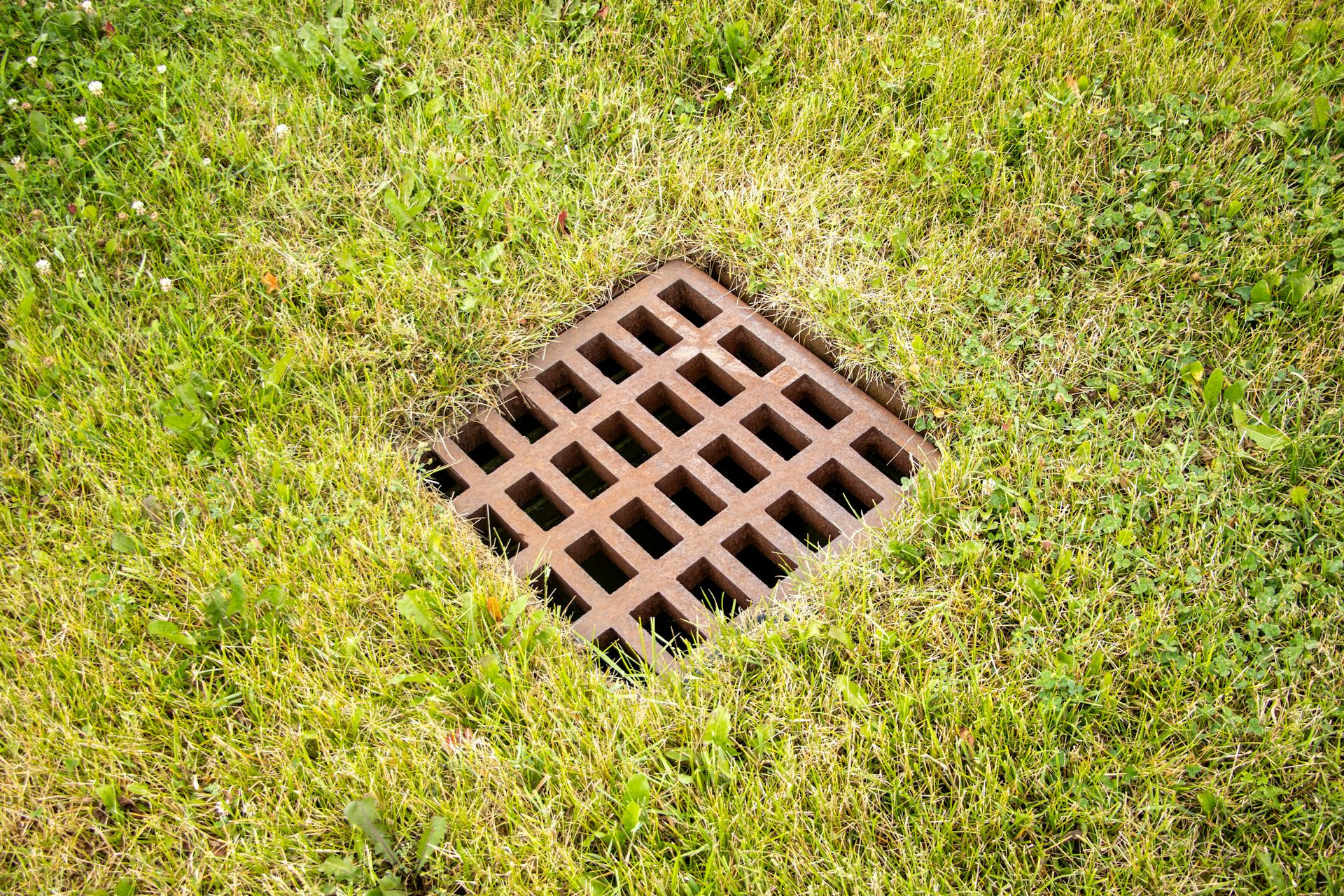
Drainage and Water Balance – How to Protect Your Garden
A healthy garden depends on more than sunlight and good soil – it also needs the right water balance. In India, where monsoon rains can flood gardens and long dry spells can parch the soil, managing drainage is essential. Good drainage doesn’t mean removing all the water; it means keeping just enough moisture for plants to thrive while preventing waterlogging and erosion. Here’s how you can protect your garden by understanding and improving its drainage and water balance.
Why Drainage Matters in Indian Gardens
India’s diverse climate brings both heavy rainfall and intense heat. In coastal and tropical regions, monsoon downpours can quickly saturate the soil, while in drier areas, poor drainage can cause precious water to evaporate too fast. Common problems caused by poor drainage include:
- Root rot and fungal diseases – when soil stays waterlogged, roots suffocate and decay.
- Soil erosion – heavy rain can wash away topsoil, especially on slopes.
- Nutrient loss – standing water can leach nutrients from the soil.
- Mosquito breeding – stagnant water in pots or low areas can become a health hazard.
Proper drainage helps prevent these issues while ensuring that plants get the moisture they need.
Finding the Right Water Balance
The goal is not to make the soil dry, but to keep it balanced. Too much drainage can leave the soil barren and force you to water constantly, while too little can drown your plants. The ideal garden soil should absorb rainwater, hold it for a while, and then let the excess drain away.
Here are a few tips to maintain that balance:
- Know your soil type: Sandy soil drains quickly, while clay soil holds water. Mix in compost or organic matter to improve both.
- Avoid overwatering: Water deeply but less often, preferably early in the morning.
- Use mulch: A layer of organic mulch helps retain moisture during dry spells and prevents surface runoff during rain.
- Harvest rainwater: Collect roof runoff in barrels or tanks and use it for irrigation during dry periods.
How to Check if Your Garden Needs Better Drainage
Before you start digging, test your soil’s drainage capacity:
- Dig a hole about 45–50 cm deep and fill it with water. If the water remains after 24 hours, your soil drains poorly.
- Observe after rainfall: If puddles remain for more than two days, you may need to improve drainage.
- Check plant health: Yellowing leaves, stunted growth, or a foul smell from the soil can indicate waterlogging.
If you’re unsure, consult a local horticulturist or landscape expert. They can help you design a system suited to your soil and climate.
Drainage Solutions for Indian Conditions
Depending on your garden’s layout and soil, you can choose from several drainage methods:
- Surface drains: Shallow channels or stone-lined trenches that guide rainwater away from low spots.
- Soak pits or recharge pits: Underground pits filled with gravel that allow water to percolate slowly into the ground.
- French drains: Perforated pipes buried under gravel to carry excess water away from the garden.
- Rain gardens: Shallow, planted depressions that collect runoff and let it soak in naturally.
- Raised beds: Ideal for vegetable gardens in areas with heavy rainfall, as they keep roots above soggy soil.
These methods not only protect your plants but also help recharge groundwater and reduce urban flooding.
Maintenance and Care
Even the best drainage system needs regular attention. Leaves, silt, and roots can block pipes or pits over time. To keep your system working:
- Clean drains and soak pits before and after the monsoon.
- Ensure that outlets are not blocked by debris.
- Avoid planting large trees with invasive roots near drainage lines.
- Refill gravel or sand layers in soak pits every few years if they become clogged.
Regular maintenance ensures that your garden remains resilient through both heavy rains and dry spells.
Sustainable Water Management
Water is a precious resource, and every drop counts. Instead of simply draining water away, try to reuse and recycle it within your garden. Combine drainage with eco-friendly practices:
- Direct roof water into rain gardens or storage tanks.
- Use permeable paving materials that let water soak into the ground.
- Plant native species that are adapted to local rainfall patterns and require less watering.
By managing water wisely, you not only protect your garden but also contribute to a more sustainable environment.
A Healthy Garden Starts Below the Surface
Good drainage is the foundation of a thriving garden. When the soil has the right moisture balance, roots grow stronger, beneficial organisms flourish, and plants become more resistant to both drought and floods.
So before you reach for the hose or start digging trenches, take a moment to understand your garden’s natural water flow. Work with it, not against it – and you’ll create a garden that stays green and healthy through every season.