Extend the foundation’s lifespan with simple maintenance steps

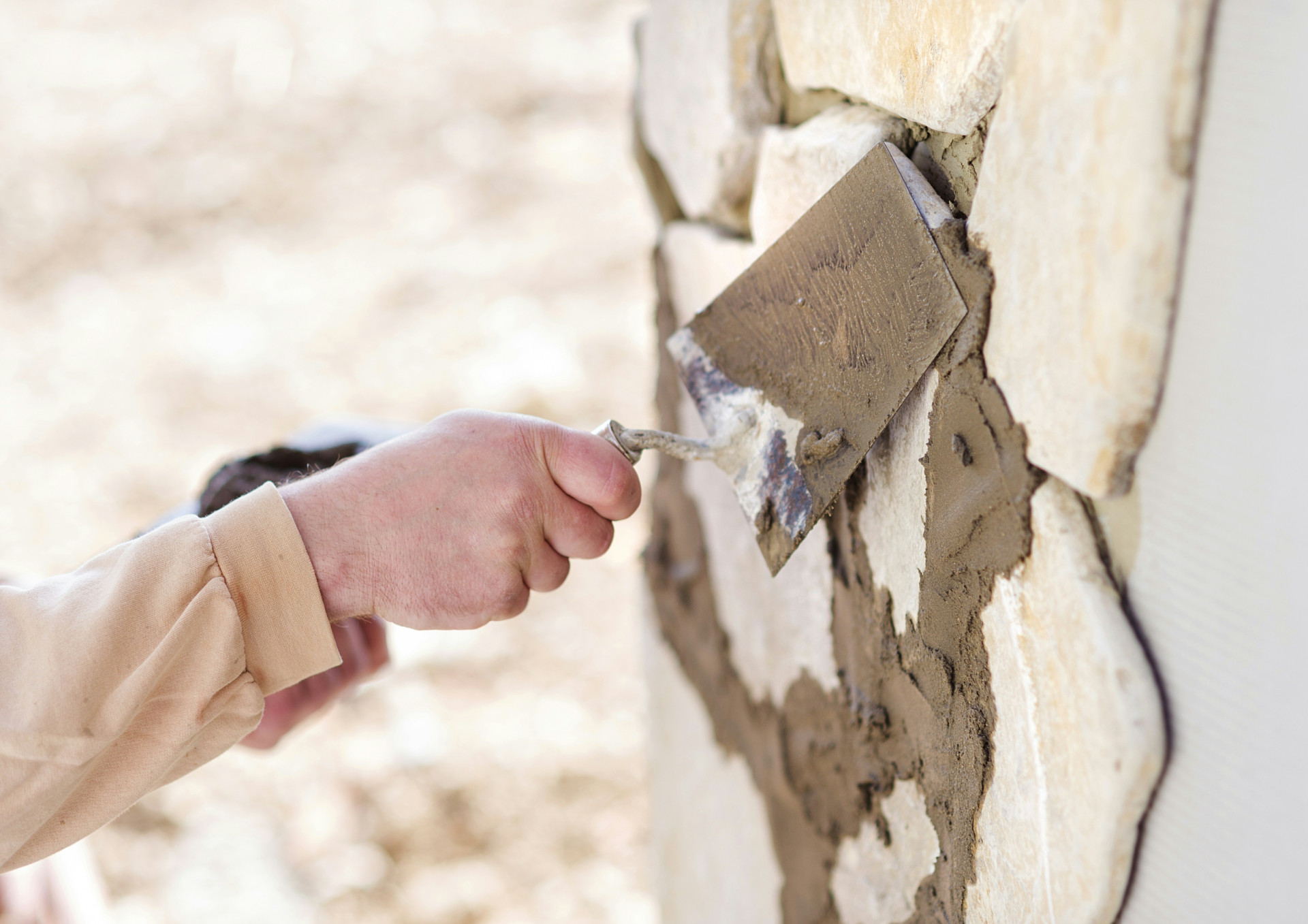
Extend the foundation’s lifespan with simple maintenance steps
The foundation is the unseen strength of every home – the part that carries the entire structure and protects it from moisture, soil movement, and weather changes. Yet, it is often overlooked in regular home maintenance. A well-maintained foundation prevents cracks, dampness, and costly structural damage. Fortunately, with a few simple steps, you can extend your foundation’s lifespan and keep your home safe and stable for years to come.
Understand the foundation’s role and common challenges
In Indian homes, foundations face unique stresses due to varying soil types, monsoon rains, and temperature fluctuations. Expansive clay soils, for example, can swell during the rainy season and shrink in dry months, putting pressure on the foundation. Poor drainage, leaking plumbing, or vegetation growing too close to the walls can also cause damage over time.
Watch out for these early warning signs:
- Hairline cracks in walls or floors
- Doors or windows that no longer close properly
- Damp patches or efflorescence (white salt deposits) on walls
- Uneven flooring or sinking corners
Identifying these issues early makes repairs simpler and prevents more serious structural problems.
Clean and inspect the foundation regularly
A visual inspection twice a year—before and after the monsoon—is a good habit. Remove soil, leaves, or debris that may have accumulated around the base of the house. If your foundation is visible above ground, gently clean it with a soft brush and mild detergent to remove dirt and algae. Avoid using high-pressure water jets, as they can force moisture into cracks.
After cleaning, check for any visible cracks or signs of erosion. Small cracks can often be sealed with a suitable waterproof filler, while larger ones may require professional assessment.
Ensure proper drainage around the house
Water is one of the biggest threats to a foundation’s health. Make sure rainwater flows away from your home rather than pooling near the walls. The ground around your house should slope slightly outward—about 2–3 cm per meter—to guide water away.
Keep gutters and downpipes clean, especially before the monsoon. Ensure that downspouts discharge water at least a meter away from the foundation. If you have paved areas or garden beds near the house, check that they do not trap water against the walls.
Repair and protect the surface
If your foundation or plinth area is plastered, inspect the plaster for cracks or peeling paint. Remove any loose material and reapply a suitable exterior-grade plaster or waterproof coating. Choose breathable materials that allow moisture from inside the wall to escape while keeping rainwater out.
In coastal or humid regions, consider applying an anti-fungal or water-repellent coating to prevent algae and salt damage. For older homes, use repair materials compatible with the original construction to avoid trapping moisture.
Prevent damage with simple habits
Small, consistent actions can make a big difference:
- Avoid planting large trees too close to the house; their roots can disturb the foundation.
- Keep the area around the foundation free from clutter and heavy objects.
- Check for plumbing leaks, especially in bathrooms and kitchens, as seepage can weaken the base.
- After heavy rains or flooding, inspect the foundation for new cracks or damp spots.
- Repaint or recoat the plinth area every few years to maintain protection.
A strong foundation means a strong home
Your home’s foundation may be out of sight, but it should never be out of mind. Regular inspection, cleaning, and simple preventive measures can save you from expensive repairs and ensure your home remains safe and stable. By giving a little attention to the base of your house, you’re investing in its strength, comfort, and longevity for generations to come.