Garage Ventilation: Effectively Remove Exhaust Fumes and Chemical Vapors

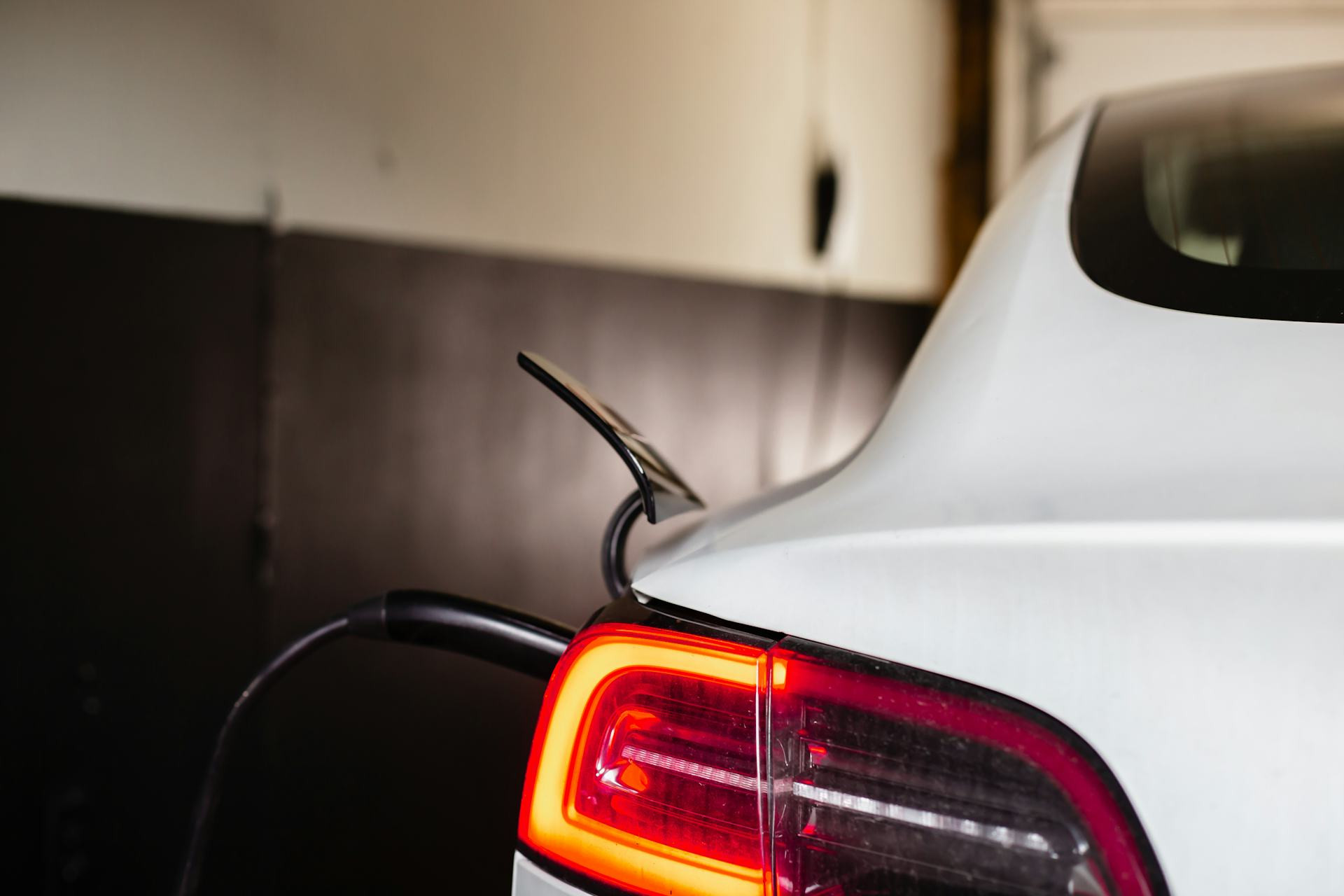
Garage Ventilation: Effectively Remove Exhaust Fumes and Chemical Vapors
A garage in India is often more than just a parking space. It may double as a small workshop, a storage area for paints and lubricants, or a place for DIY projects. However, these activities can quickly lead to a buildup of exhaust fumes, chemical vapors, and humidity. Without proper ventilation, the air can become hazardous to your health and damaging to your property. Here’s how to ensure your garage stays safe, fresh, and well-ventilated.
Why Ventilation Matters
When a vehicle engine runs, it releases carbon monoxide, nitrogen oxides, and other toxic gases. Even a few minutes of idling in a closed garage can create dangerous concentrations. Add to that the vapors from petrol, paint, and cleaning agents, and you have a serious air quality problem.
Poor ventilation can cause headaches, dizziness, and irritation of the eyes and throat. Prolonged exposure may even lead to poisoning. Moreover, trapped moisture and chemical vapors can corrode tools, damage paintwork, and weaken building materials. A well-designed ventilation system protects both your health and your garage.
Natural or Mechanical Ventilation?
There are two main types of ventilation systems, and the best results often come from combining them.
- Natural ventilation relies on airflow through openings such as windows, doors, and vents. It’s inexpensive and easy to implement, but its effectiveness depends on wind direction and temperature differences.
- Mechanical ventilation uses fans or exhaust systems to actively move air in and out. It provides consistent results and can be tailored to the size and use of your garage.
In India’s varied climate, a hybrid approach works best: natural ventilation for everyday air exchange, and mechanical ventilation when working with engines, paints, or chemicals.
How to Size Your Ventilation System
To effectively remove exhaust gases and vapors, the air in your garage should be replaced several times per hour. As a general guideline:
- At least 6 air changes per hour for basic storage.
- 10–15 air changes per hour if you frequently run engines or use solvents and paints.
To calculate the required fan capacity, multiply the garage’s volume (length × width × height) by the desired number of air changes. The result, in cubic meters per hour (m³/h), helps you choose the right fan size.
Positioning Air Inlets and Outlets
For efficient airflow, fresh air should enter from one side and contaminated air should exit from the opposite side.
- Air inlets should be placed low, ideally near the garage door or an exterior wall.
- Exhaust outlets should be positioned high and on the opposite side to ensure air moves through the entire space.
If you often start engines indoors, consider installing a flexible exhaust hose that connects directly to the vehicle’s tailpipe. This setup removes fumes before they spread into the room.
Managing Humidity and Condensation
Humidity is a common issue in Indian garages, especially during the monsoon season. When a wet vehicle is parked inside, moisture evaporates and condenses on walls and ceilings, leading to rust, mold, and unpleasant odors.
A ventilation system that combines exhaust fans with fresh air inlets helps control humidity. In coastal or humid regions, you can also use a dehumidifier to protect tools, electrical equipment, and stored materials.
Energy Efficiency and Noise Control
Modern ventilation fans come in many designs, from simple wall-mounted units to advanced systems with heat recovery. If your garage is attached to your home or air-conditioned, a heat recovery system can help maintain indoor temperatures and reduce energy costs.
Noise is another factor to consider. Choose a low-noise fan, especially if the garage is close to living areas or neighbors. Some models include variable speed controls, allowing you to adjust airflow and noise levels as needed.
Maintenance and Safety Tips
Regular maintenance keeps your ventilation system working efficiently. Clean filters and vents at least twice a year, and check that fans run smoothly without vibration or unusual noise. Inspect exhaust hoses and connections for leaks, especially if they are used with vehicle engines.
Remember, ventilation complements but does not replace safe practices. Avoid unnecessary idling, store chemicals in sealed containers, and keep the garage tidy to prevent accidents.
A Healthier and Safer Garage
With proper ventilation, your garage becomes a safer, more comfortable space to work and store your belongings. You’ll reduce exposure to harmful fumes, prevent moisture damage, and extend the life of your tools and building materials. Whether you use your garage for maintenance, hobbies, or parking, investing in good ventilation is an investment in your health and safety.