Harmony in Multifunctional Home Wellness Spaces

Harmony in Multifunctional Home Wellness Spaces
In today’s fast-paced Indian lifestyle—where work, family, and social commitments often overlap—our homes are becoming sanctuaries for rest and renewal. Wellness is no longer limited to luxury spas or weekend retreats; it is finding a place within our own walls. A multifunctional home wellness space can help create balance between body, mind, and daily life. But how can you design a space that is both practical, aesthetic, and calming?
From Bathroom to Wellness Zone
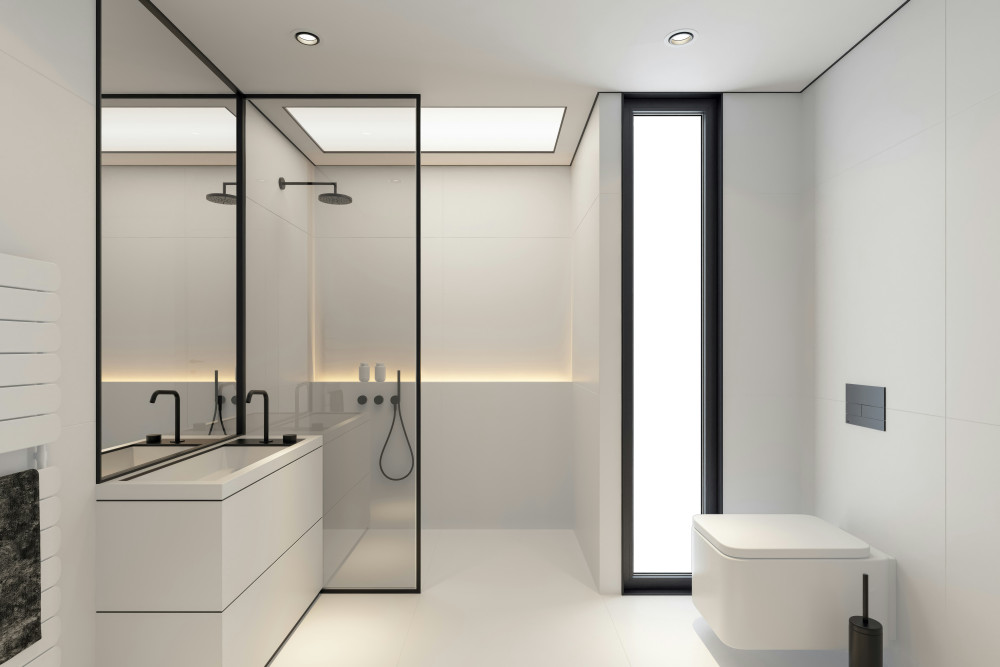
For many, wellness begins in the bathroom. Water, warmth, and quiet naturally evoke relaxation. Yet a modern wellness space can go far beyond a traditional bathroom. It can be a flexible area that combines bathing, meditation, exercise, and relaxation—all within the same environment.
A multifunctional wellness space might include:
- A rain or steam shower that brings a spa-like experience to your daily routine.
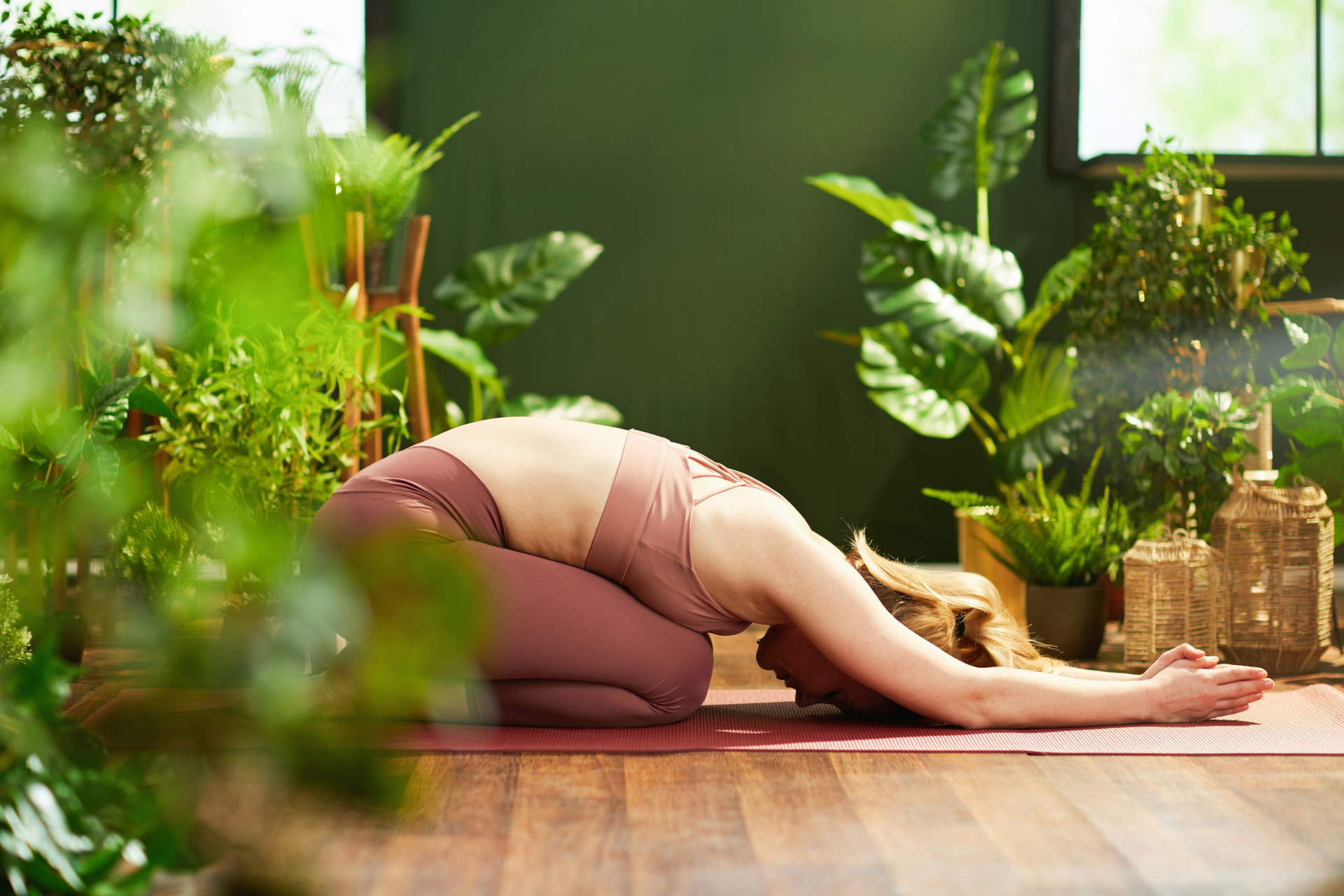
- A corner for yoga or meditation, where you can disconnect and breathe.
- A compact fitness area with resistance bands, a mat, and light weights.
- A relaxation nook with soft lighting, natural fabrics, and comfortable seating.
The goal is to create a space that can shift character throughout the day—from an energizing morning routine to a peaceful evening retreat.
Light, Sound, and Materials – A Symphony for the Senses
A wellness space should engage the senses in a soothing way. Light, sound, and materials play a crucial role in how the room feels.
- Light: Use dimmable fixtures and maximize natural light whenever possible. Warm tones promote calmness, while cooler tones can boost focus and energy.
- Sound: Integrate a small speaker system or use portable devices to play calming music, chants, or nature sounds.
- Materials: Choose wood, stone, bamboo, or cotton in earthy tones to create a grounded atmosphere. Avoid overly glossy surfaces—they can feel sterile and impersonal.
When the senses work together in harmony, the space naturally invites relaxation and mindfulness.
Thoughtful Multifunctionality
Flexibility should not lead to clutter. Smart storage and adaptable zones are key. Hidden cabinets, movable furniture, and foldable elements allow you to switch between functions without losing visual harmony.
Think in modules: one area for movement, one for stillness, and one for self-care. This modular approach lets you use the same space differently throughout the day—without it feeling fragmented.
Technology as a Gentle Companion
Smart home technology can enhance your wellness experience when used mindfully. Control lighting, temperature, and sound through an app or voice command. However, technology should support serenity, not distract from it. Choose discreet, easy-to-use systems that simplify your routine rather than complicate it.
Create Your Own Rituals
A wellness space becomes truly meaningful when it becomes part of your daily rhythm. It’s not just about design—it’s about habits. You might start your morning with a few minutes of pranayama or gentle stretching, and end your evening with a warm shower and soft lighting. Small rituals can have a profound impact on your energy and well-being.
A Space for Balance
A multifunctional wellness space is not a luxury—it’s an investment in quality of life. When you create a place where you can breathe deeply, reconnect with yourself, and find calm, your home becomes a source of strength rather than stress. Harmony arises when function meets feeling—and when you allow yourself to be fully present in the space you’ve created.