Teach Children to Think Energy: How Guidance Inspires Action

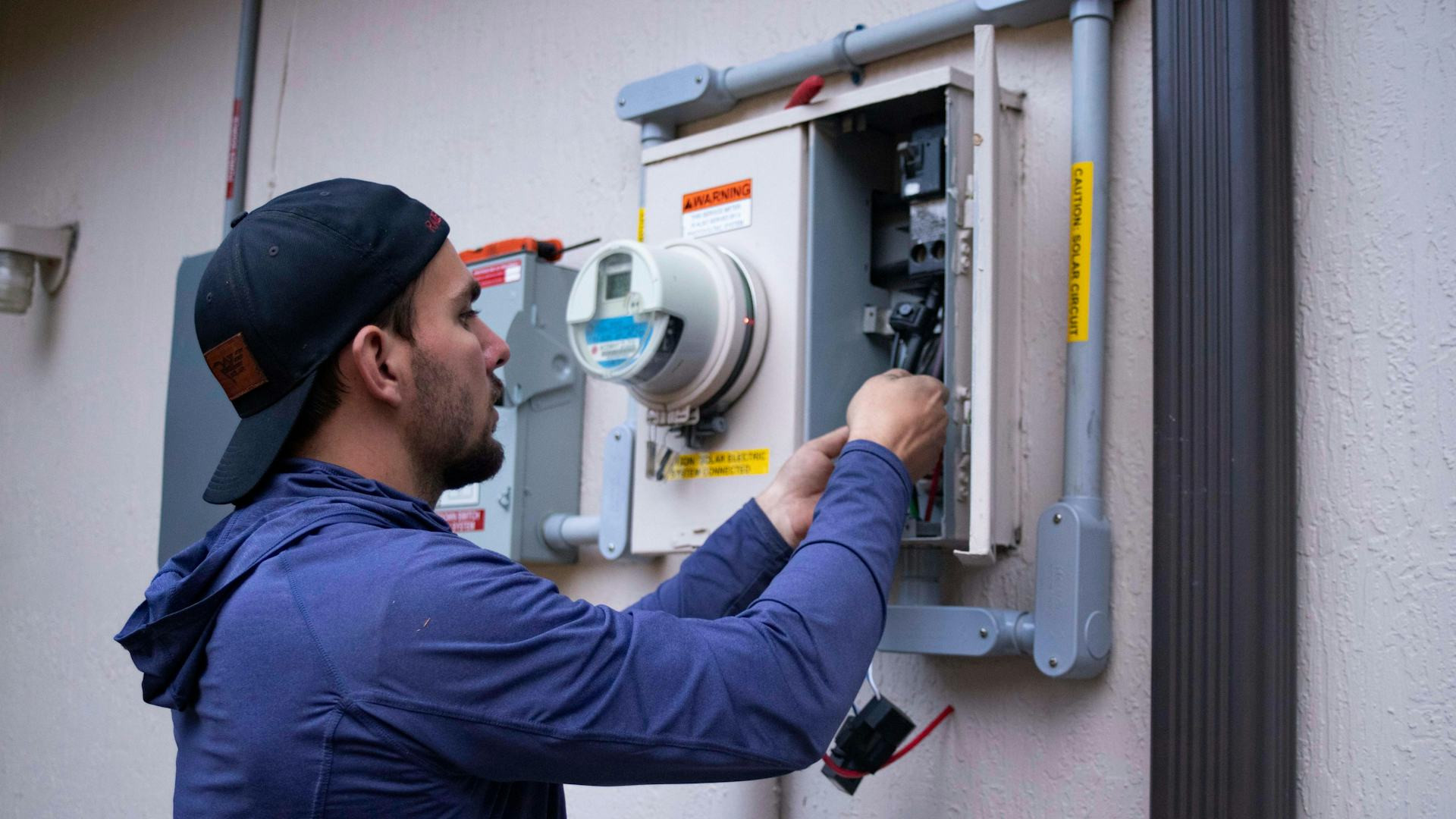
Teach Children to Think Energy: How Guidance Inspires Action
How do we teach children to understand energy—not as an abstract concept, but as something that shapes their daily lives and future? In a country like India, where energy use and sustainability are central to both development and environmental balance, helping the next generation think wisely about energy is essential. But it takes more than facts and figures. It takes curiosity, motivation, and inspiring guidance.
From Good Advice to Good Habits
Children learn best through experience. When they are allowed to participate, experiment, and see the results of their choices, energy awareness becomes real. It can be as simple as turning off the fan when leaving a room, unplugging chargers when not in use, or noticing how much electricity the family’s appliances consume.
For parents and mentors, the key is to make energy conversations relatable. Instead of talking about “carbon emissions,” talk about keeping the air clean, saving money on the electricity bill, or protecting the environment for animals and people alike. These small, meaningful connections make lessons stick.
Make Energy a Family Project
Motivation grows when children feel part of something bigger. Turn energy saving into a family challenge. Sit together and find ways to reduce waste—perhaps by using LED bulbs, taking shorter showers, or switching off the TV when no one is watching.
Create small goals or friendly competitions. Who remembers to switch off the lights most often? How much can the family reduce electricity use in a month? When children see that their actions have visible results, learning becomes fun and rewarding.
Guidance That Inspires, Not Scolds
Energy advice can be powerful, but only when it inspires rather than lectures. Children (and adults) rarely respond well to warnings or guilt. Instead, guidance should encourage action through discovery, play, and positive experiences.
Use visual and hands-on examples: show how a solar panel works, let children feel the difference between a hot incandescent bulb and a cool LED, or visit a local renewable energy project. When advice becomes tangible and engaging, it leaves a lasting impression.
Learning Through Everyday Life
Energy awareness doesn’t have to be a school subject—it can be part of daily life. When cooking, talk about why using a pressure cooker saves both time and gas. When washing clothes, discuss how drying them in the sun saves electricity. When walking or cycling instead of taking a vehicle, highlight how it helps both health and the planet.
By linking energy thinking to everyday routines, children learn that sustainability is not an extra effort—it’s a way of living.
Schools as Partners
Schools play a vital role in shaping children’s understanding of energy. Across India, many schools are already introducing eco-clubs, green campus initiatives, and energy awareness weeks. Teachers and energy advisors can work together to make these programs more interactive—with experiments, storytelling, and local examples.
A partnership between schools, families, and community organizations can create a strong foundation where children see that energy is not just something to learn about, but something they can act on.
When Children Become Ambassadors
One of the most inspiring outcomes of teaching children about energy is how they bring that knowledge home. Many parents find that it’s their children who remind them to switch off the lights, separate waste, or use less water.
When children become ambassadors for a greener lifestyle, they spark a positive chain reaction. They learn that their actions matter—and adults are reminded that change begins with small, consistent steps.
An Investment in the Future
Teaching children to think energy is not just about saving electricity—it’s about shaping a responsible future. When children grow up with a natural understanding of energy and sustainability, they are better prepared to make thoughtful choices as adults.
Guidance that inspires action is not only about technology or numbers—it’s about building a culture where energy awareness becomes part of our shared identity. And that culture begins with curious children and committed adults, working together for a brighter, cleaner tomorrow.