When Is a Facade Too Damaged to Be Cleaned?

When Is a Facade Too Damaged to Be Cleaned?
A clean facade can transform the look of any building, but not every surface is suitable for cleaning. If the structure is already weakened, cleaning can sometimes cause more harm than good. Before reaching for a pressure washer or chemical cleaner, it’s important to assess the condition of the facade. In this article, we look at when a facade is too damaged to be cleaned and what alternatives you can consider to preserve it.
Why Clean a Facade?
Over time, facades in Indian cities and towns accumulate dust, soot, algae, and pollution. Monsoon rains, humidity, and air pollution can leave stains and encourage the growth of mould or moss. Cleaning can restore the building’s appearance and help prevent further deterioration. However, cleaning is a forceful process, and if the surface is already fragile, it can worsen existing damage.
Signs That the Facade Is Too Damaged
Before deciding to clean, inspect the surface carefully. Here are some clear signs that your facade may not withstand cleaning:
- Cracked or flaking plaster – if the plaster is crumbling, cleaning will only remove more material.
- Visible cracks in masonry or concrete – water from cleaning can seep in and expand cracks, especially during temperature changes.
- Efflorescence (white salt deposits) – this indicates moisture problems; cleaning can make the issue worse.
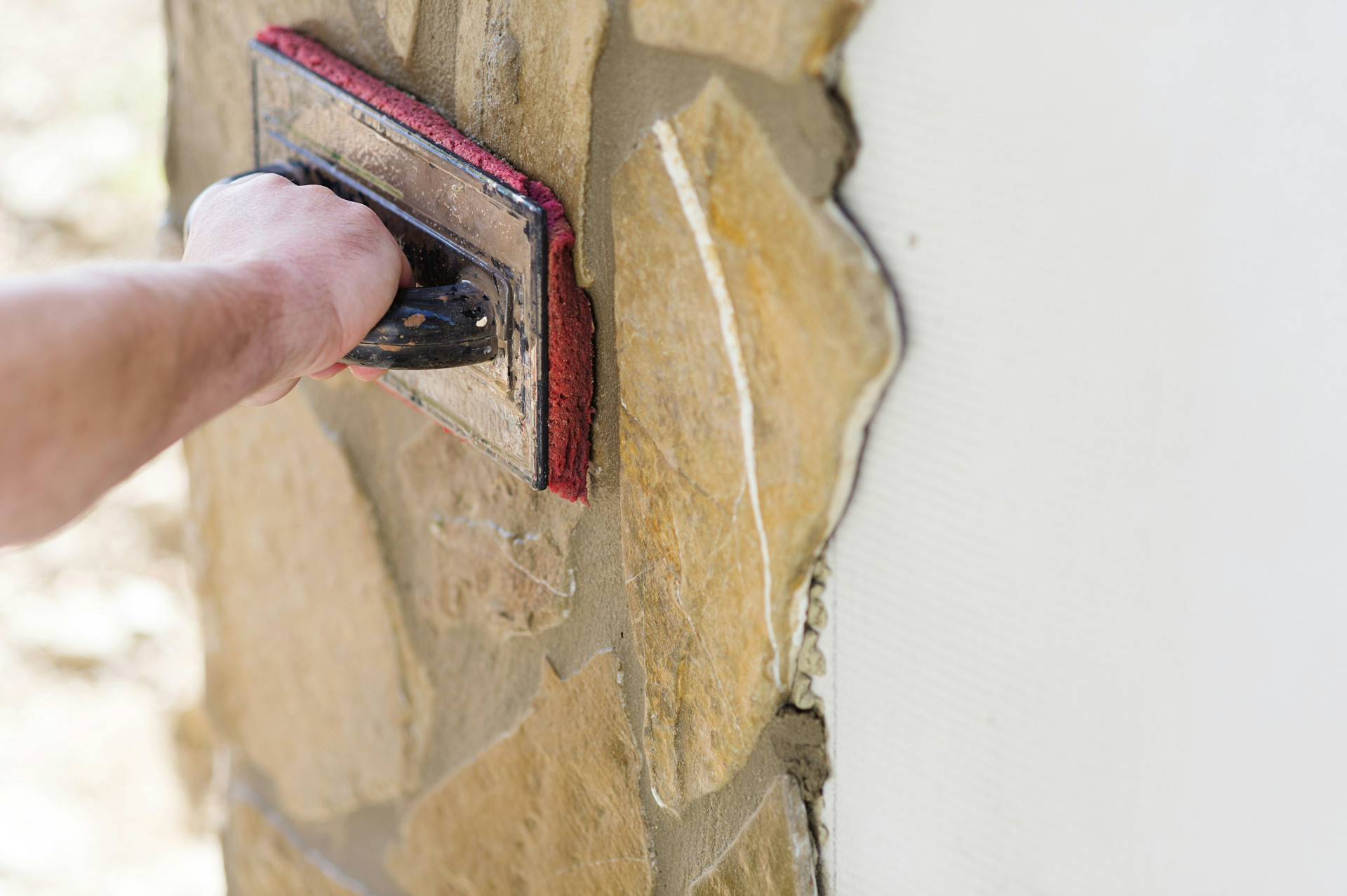
- Loose or missing joints – if mortar joints are weak, they should be repaired before any cleaning.
- Spalled or chipped bricks – damaged bricks should be replaced, not cleaned.
If you notice several of these issues, it’s a sign that the facade needs repair before any cleaning is attempted.
Different Facade Materials Require Different Care
Not all facades react the same way to cleaning.
- Brickwork can usually handle gentle cleaning, but high-pressure washing or sandblasting can erode the surface.
- Plastered or painted facades are more delicate, especially if the coating is old or cracked.
- Concrete and stone can often be cleaned, but the right cleaning agents must be used to avoid corrosion or staining.
In India, where many buildings use a mix of materials, it’s essential to choose a method suited to each surface. When in doubt, consult a professional who can assess the condition and recommend the safest approach.
When Should You Avoid Cleaning Altogether?
There are situations where cleaning is not advisable, such as when:
- The facade shows extensive dampness or mould growth.
- The building is heritage property with old, hand-made bricks or lime plaster.
- There is a risk of water seeping behind the surface layers.
In these cases, cleaning can strip away protective coatings and make the structure more vulnerable to moisture and weather damage. Repair and restoration are better options.
Alternatives to Cleaning
If the facade is too damaged to be cleaned, there are other ways to improve its appearance and durability:
- Repairing joints and masonry – replacing damaged bricks or redoing mortar joints can make a big difference.
- Replastering or rendering – a new surface layer can hide imperfections and protect against rain and pollution.
- Painting or applying protective coatings – modern paints and silicate treatments can refresh the look and add weather resistance.
These solutions may require more effort than cleaning, but they extend the life of the building and provide a more lasting result.
Get a Professional Assessment
It can be difficult to judge whether a facade can be safely cleaned. A qualified contractor or facade specialist can identify structural issues and suggest the best course of action. This professional evaluation can save you time, money, and prevent further damage.
A Healthy Facade Needs Care
A beautiful facade is not just about appearance—it’s about protecting your building from the elements. Cleaning can be effective when the surface is sound, but if the facade is damaged, focus on repair and protection instead. With the right approach, your building will not only look better but also remain strong and safe for years to come.