Antibacterial Kitchen Materials – Hygiene with Style

Antibacterial Kitchen Materials – Hygiene with Style
A modern Indian kitchen is more than just a place to cook – it’s the heart of the home, where family, tradition, and innovation meet. As awareness of hygiene and health grows, especially in warm and humid climates where bacteria thrive, antibacterial materials are becoming a smart and stylish choice for both homes and professional kitchens. But what exactly are antibacterial materials, and how can they help you create a kitchen that’s both beautiful and safe? Let’s explore how you can combine hygiene with design in your everyday cooking space.
What Are Antibacterial Materials?
Antibacterial materials are surfaces designed to inhibit the growth of bacteria and microorganisms. This can happen naturally – as with copper or bamboo – or through advanced technology, where materials are treated with silver ions or other active agents that prevent bacteria from multiplying.
These materials don’t replace regular cleaning, but they add an extra layer of protection in areas that are most exposed to moisture and food contact, such as countertops, cabinet handles, and sinks.
Popular Antibacterial Materials for Indian Kitchens
Today, a wide range of materials combine hygiene and aesthetics, making them ideal for Indian homes where cooking often involves spices, oils, and frequent use of water.
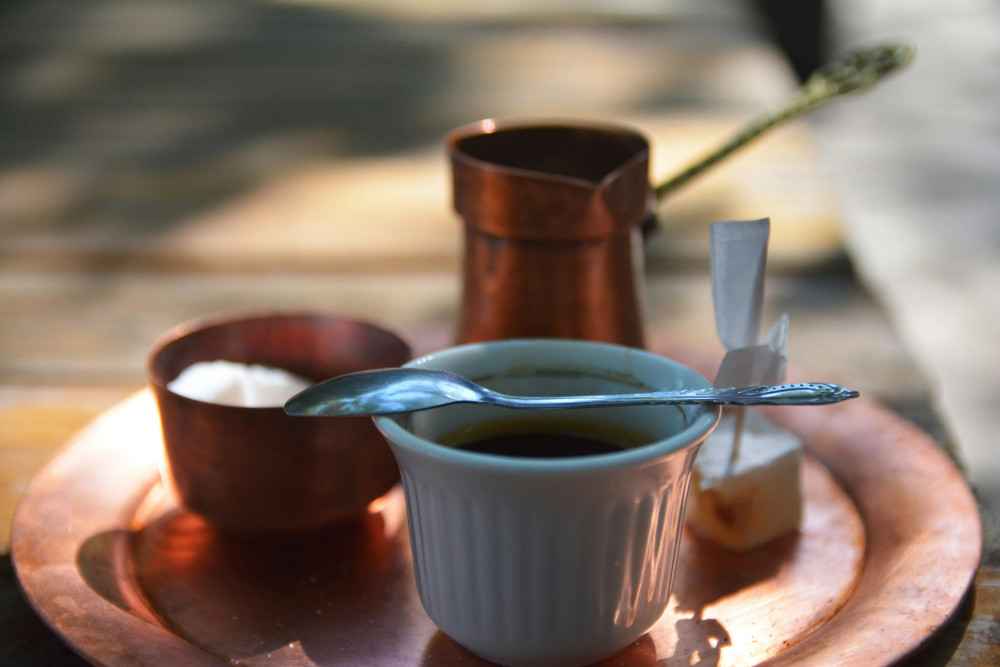
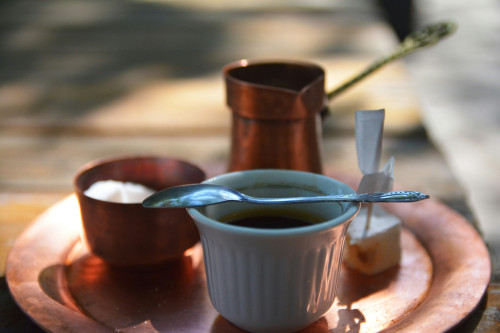
- Copper and Brass – Traditional Indian metals known for their natural antibacterial properties. They kill bacteria quickly and add a warm, luxurious glow that complements both modern and heritage-style kitchens.
- Stainless Steel – A timeless favorite in Indian households and restaurants. It’s easy to clean, resistant to stains, and available in matte or brushed finishes that reduce visible fingerprints.
- Quartz and Composite Countertops with Silver Ions – Modern engineered surfaces that incorporate antibacterial particles directly into the material. They are durable, low-maintenance, and available in a variety of colors and textures.
- Bamboo – A sustainable, eco-friendly material with natural antibacterial qualities. Perfect for cutting boards, trays, and utensils, bamboo adds an earthy, organic touch to your kitchen.
By choosing materials with built-in hygiene, you can reduce the risk of bacterial growth without compromising on design or durability.
Smart Design for a Cleaner Kitchen
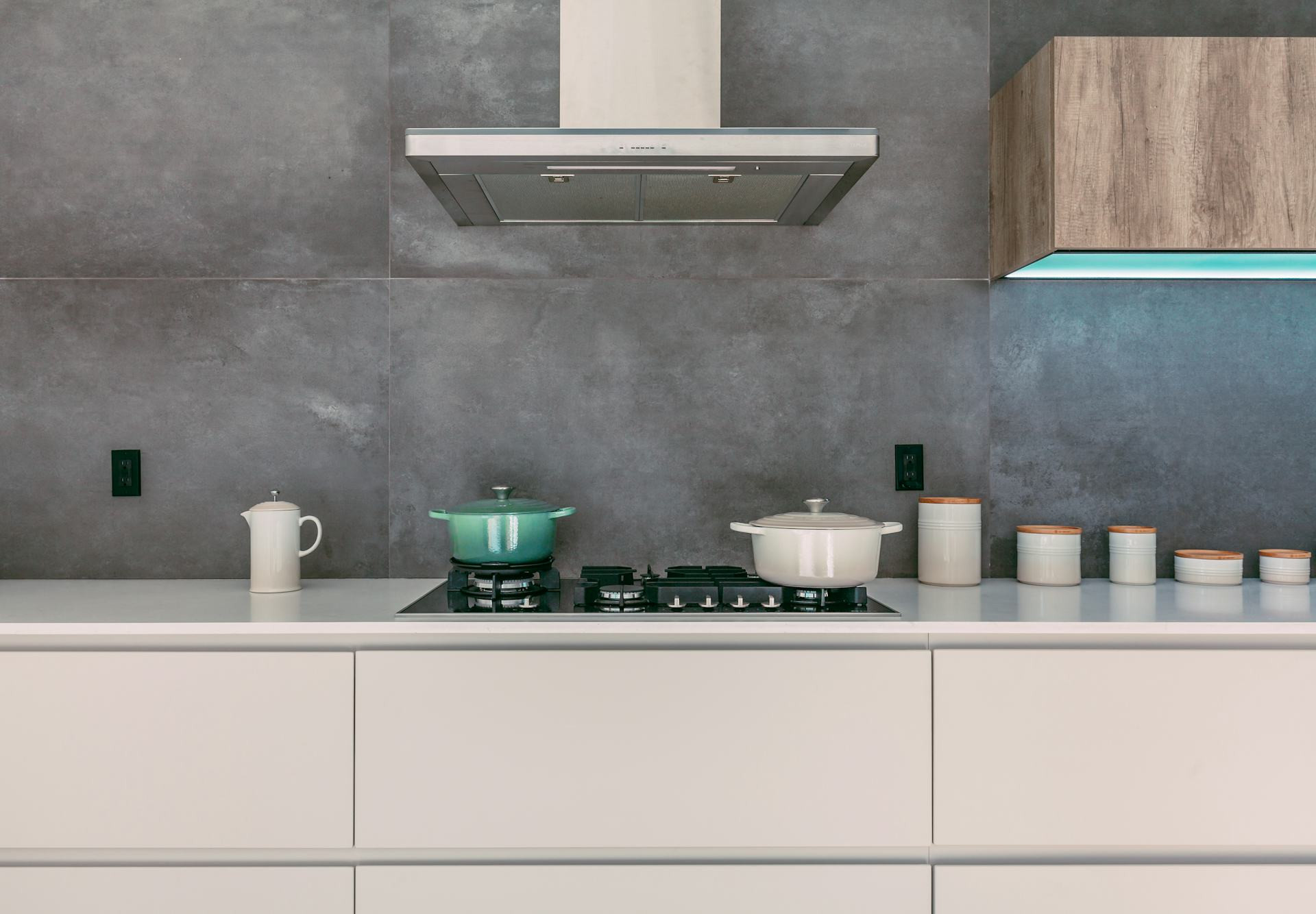
A hygienic kitchen is not only about materials but also about thoughtful design. Smooth, seamless surfaces are easier to clean and prevent dirt from accumulating in corners or joints. Consider integrated handles, rounded edges, and sink designs that allow water and food particles to flow away easily.
Color and texture also matter. Light-colored surfaces make it easier to spot spills and stains, while darker tones can hide minor marks. The key is to find a balance that suits your cooking habits and aesthetic preferences.
Maintenance Still Matters
Even the best antibacterial materials need regular care. Wipe surfaces daily with warm water and a mild detergent. Avoid harsh chemicals that can damage finishes or reduce the effectiveness of antibacterial coatings.
Microfiber cloths are a great choice for cleaning – they remove dirt efficiently without scratching surfaces. For metal finishes like copper or brass, use gentle natural cleaners such as lemon and salt to maintain their shine.
Sustainability and Health Go Hand in Hand
Many manufacturers are now developing antibacterial materials that are also environmentally friendly. These options reduce the need for strong cleaning agents, last longer, and contribute to a healthier indoor environment. For Indian consumers, this means a kitchen that’s not only hygienic but also sustainable and cost-effective in the long run.
When choosing materials, look for certifications that guarantee both hygiene and eco-friendly production – such as ISO standards or green building labels.
Læs også:


A Kitchen That Reflects Your Lifestyle
Antibacterial materials are not just for commercial kitchens – they’re perfect for modern Indian homes where cooking is a daily ritual. Whether you prefer a sleek stainless-steel look, the warmth of natural wood, or the vibrancy of colored composites, there are options that blend hygiene with style.
Your kitchen should be a space where you can cook with confidence, share meals with loved ones, and enjoy the beauty of good design. With the right antibacterial materials, you can create a kitchen that’s safe, elegant, and built to last – a true reflection of your lifestyle and values.
Læs også: