Cork Flooring: Effective Noise Reduction and a Calmer Indoor Environment


Cork Flooring: Effective Noise Reduction and a Calmer Indoor Environment
In recent years, cork flooring has gained renewed attention among Indian homeowners and interior designers. Once seen as a niche or retro choice, cork is now appreciated for its natural warmth, comfort, and impressive ability to reduce noise. Beyond its aesthetic appeal, cork contributes to a healthier and more peaceful indoor environment—something increasingly valued in India’s busy urban settings. Let’s explore why cork flooring is becoming a smart and sustainable choice for modern Indian homes.
A Natural and Sustainable Material
Cork is harvested from the bark of the cork oak tree, primarily grown in Mediterranean regions. The harvesting process is environmentally friendly—the tree is not cut down, and its bark regenerates naturally every 9–10 years. This makes cork one of the most sustainable flooring materials available.
For Indian consumers who are becoming more conscious of eco-friendly living, cork offers a way to combine style with sustainability. The production process requires little energy, and cork can be recycled or repurposed at the end of its life cycle. Choosing cork flooring is therefore a small but meaningful step toward a greener home.
Superior Noise Reduction
One of cork’s most remarkable qualities is its ability to absorb sound. Its cellular structure contains millions of tiny air-filled pockets that trap and dampen sound waves. This means footsteps, voices, and household noises are significantly reduced.
In Indian cities, where apartments and multi-storey homes are common, cork flooring can make a noticeable difference. It helps create a quieter environment, whether in a family home full of activity or in a work-from-home setup where concentration is key. Compared to hard surfaces like tiles or laminate, cork provides a softer, more sound-absorbing surface that enhances comfort and calm.
Comfort and Thermal Insulation
Cork naturally feels warm and soft underfoot. Its insulating properties help maintain a comfortable temperature, which is especially useful in India’s diverse climate—keeping floors cooler in summer and reducing the chill in air-conditioned rooms. The slight elasticity of cork also provides cushioning, reducing strain on joints and the back, making it ideal for kitchens or living areas where people stand or walk frequently.
For those with allergies, cork is a hygienic choice. It does not attract dust or mites and is easy to clean, contributing to a healthier indoor environment.
Design Versatility
Modern cork flooring comes in a wide range of designs and finishes. From natural cork textures to patterns that mimic wood, stone, or even concrete, there is a style to suit every interior. Whether you prefer a minimalist look or a warm, rustic feel, cork can complement your design vision.
Installation is straightforward, with many cork floors available in click-lock systems suitable for DIY enthusiasts. While cork can be used in most rooms, areas exposed to high moisture—such as bathrooms—require specially treated variants to ensure durability.
Easy Maintenance and Long Life
Cork flooring is surprisingly durable and easy to maintain. Regular sweeping or vacuuming and occasional mopping with a damp cloth are usually sufficient. Most cork floors are sealed with protective coatings that resist stains and wear. Minor scratches can often be repaired with light sanding and resealing.
With proper care, cork flooring can last for decades, maintaining both its appearance and comfort. Its resilience makes it a practical choice for busy households.
Læs også:


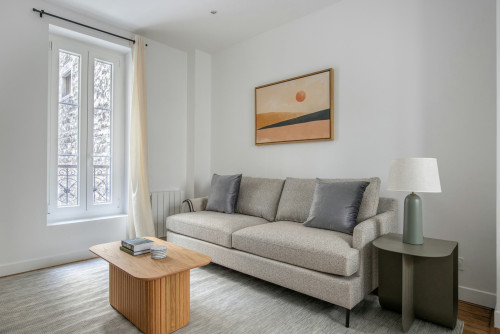
A Calmer Home, Naturally
Cork flooring is more than just a practical solution—it enhances the atmosphere of your home. Its warm tones and soft texture create a sense of tranquility and comfort. In a world where many seek balance and well-being in their living spaces, cork fits perfectly with the growing preference for natural, sustainable materials.
By choosing cork flooring, you’re not only improving acoustics and comfort but also creating a home environment that feels peaceful, inviting, and in harmony with nature.
Læs også: