New Life for Old Floors – How to Reuse and Recycle Them

New Life for Old Floors – How to Reuse and Recycle Them
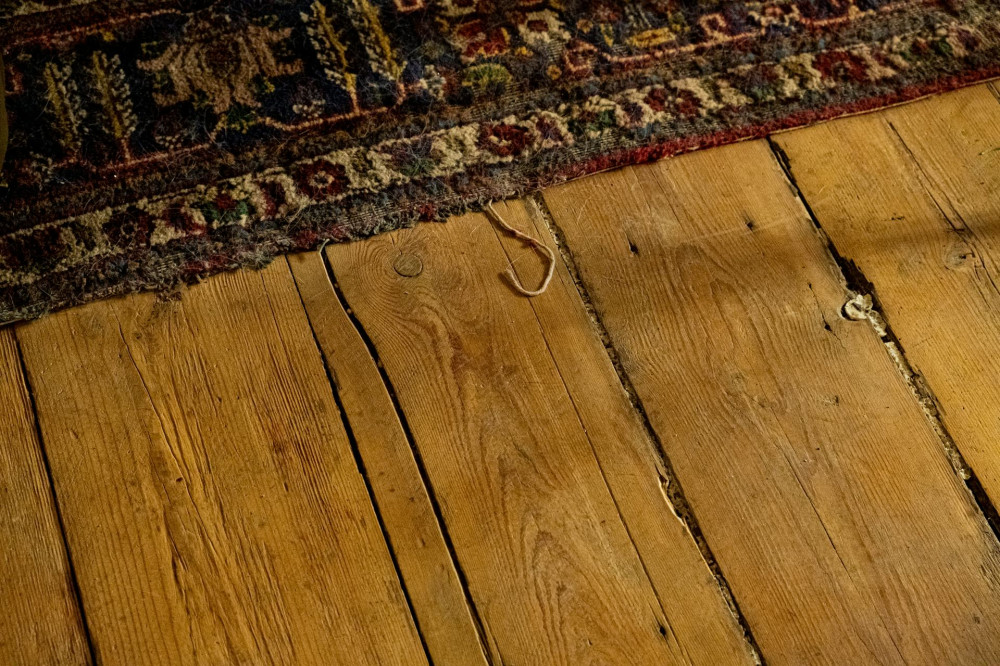
An old floor can hold memories – of family gatherings, festivals, and everyday life. But when it starts to lose its shine or show signs of wear, many homeowners think replacement is the only option. In reality, with a little care and creativity, your existing floor can be renewed, reused, or even transformed into something entirely new. Here’s how you can give your old floors a second life while saving money and protecting the environment.
Restore Instead of Replacing
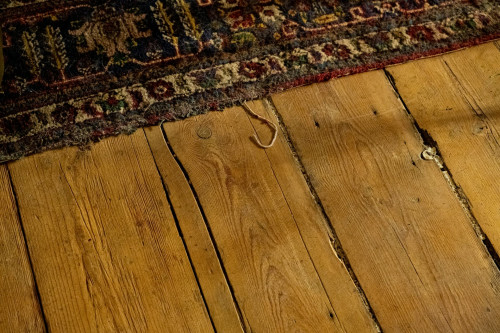
The most sustainable floor is often the one you already have. Many Indian homes feature solid wood, mosaic, or natural stone floors that can last for decades if maintained properly. Before you decide to remove your old flooring, check whether it can be restored.
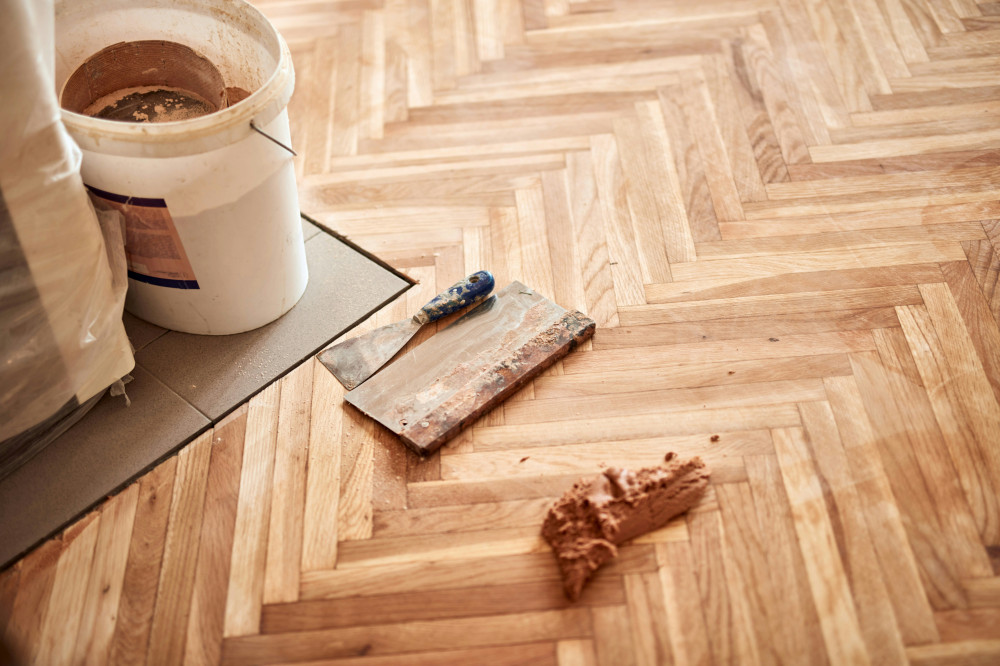
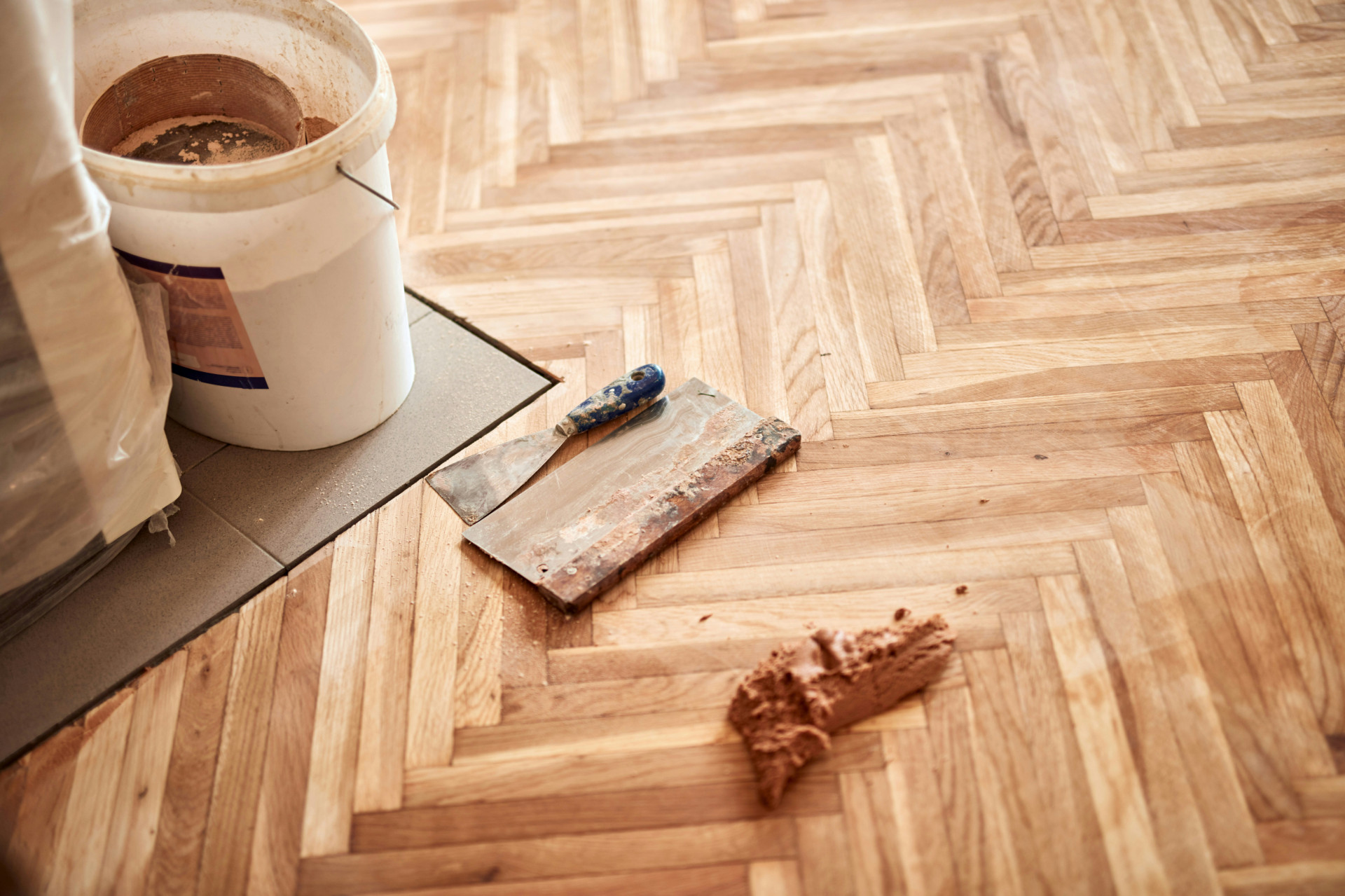
- Polishing and refinishing can bring back the shine of marble, granite, or wooden floors. Professional polishing removes scratches and stains, giving the surface a fresh look.
- Replacing damaged sections is often enough if only small areas are affected. For wooden floors, use reclaimed timber of similar type and age to maintain consistency.
- Fixing loose tiles or boards can be done with adhesive or screws, avoiding the need for a full replacement.
By restoring your existing floor, you save materials, reduce waste, and preserve the unique character that new flooring rarely replicates.
Give Old Flooring a New Purpose
If your floor cannot be repaired, its materials can still be reused in creative ways. India’s growing interest in upcycling makes this both a sustainable and stylish choice.
- Furniture and décor – Old wooden planks can be turned into coffee tables, bookshelves, or wall art. The aged texture adds warmth and personality to your home.
- Wall cladding or ceiling panels – Reclaimed wood or tiles can be used to create accent walls or rustic ceilings.
- Outdoor projects – Durable materials like stone or treated wood can be reused for garden paths, planters, or patio seating.
- Craft and DIY projects – Smaller pieces can become photo frames, nameplates, or decorative trays.
By reimagining your old flooring, you extend its life and create something unique that carries a story from your home’s past.
Læs også:

Recycling and Environmental Care
When reuse isn’t possible, recycling is the next best step. Many Indian cities now have facilities that accept construction and demolition waste, including flooring materials.
- Uncoated wood can be recycled into particle boards or used as biomass fuel.
- Tiles and stone can be crushed and reused in road construction or as aggregate in new concrete.
- Vinyl and laminate flooring should be disposed of through proper waste channels, as they may contain synthetic materials that require special handling.
Sorting your waste correctly ensures that valuable materials are recovered and that harmful substances don’t end up in landfills.
Choosing Sustainable New Floors
If you’re installing a new floor, consider eco-friendly options that suit India’s climate and lifestyle.
- Bamboo flooring is a renewable and durable choice that performs well in humid conditions.
- Cork and reclaimed wood offer natural warmth and are produced with minimal environmental impact.
- Locally sourced stone or terracotta tiles reduce transportation emissions and support regional craftsmanship. You can also find reclaimed flooring from renovation projects or architectural salvage stores – often at a fraction of the cost of new materials.
When choosing a new floor, think about its full life cycle: where it comes from, how long it will last, and whether it can be reused or recycled again.
Maintenance for Long-Lasting Floors
Proper care can extend the life of any floor, old or new. Simple habits make a big difference:
- Use felt pads under furniture to prevent scratches.
- Place doormats at entrances to keep out dust and grit.
- Clean with mild, pH-neutral products suitable for your floor type.
- Reapply polish, oil, or sealant as needed to maintain protection and shine.
Regular maintenance not only keeps your floor looking beautiful but also reduces the need for costly repairs or replacements.
A Floor with a Past and a Future
Old floors are more than just surfaces to walk on – they are part of your home’s story. By repairing, reusing, or recycling them, you contribute to a more sustainable lifestyle and preserve the craftsmanship and materials that define your space. With a little effort and imagination, your old floor can begin a new chapter – one that’s both eco-friendly and full of character.
Læs også: