Drying and Curing – How to Get a Durable Floor

Drying and Curing – How to Get a Durable Floor
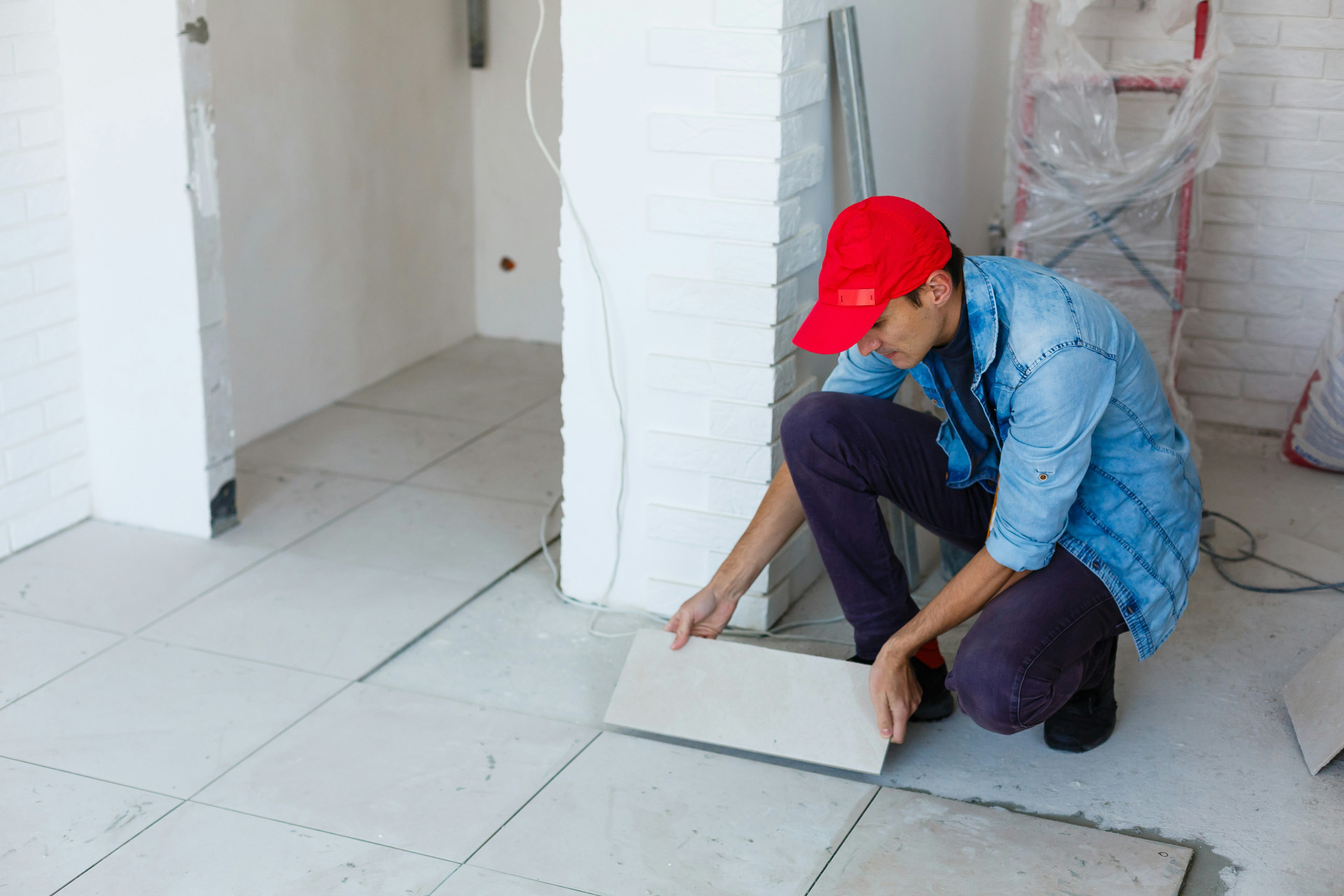
A strong and beautiful floor is not just about the material you choose – it also depends on how well it dries and cures. Whether you are working with concrete, epoxy, wood, or tiles, the drying and curing process determines the final strength and appearance. Dry too fast, and you risk cracks and unevenness; too slow, and your project may be delayed. Here’s a guide to help you achieve a durable floor that can withstand India’s diverse climate conditions.
The Difference Between Drying and Curing
Although the two terms are often used interchangeably, drying and curing refer to different processes. Drying is the physical process where moisture or solvents evaporate from the material – for example, when water leaves a concrete mix. Curing, on the other hand, is a chemical process that gives the material its final hardness and stability.
A floor may feel dry on the surface but still be curing deep inside. This is especially true for concrete and epoxy coatings, where internal curing can take weeks even if the surface looks ready.
Concrete – Patience Pays Off
Concrete is one of the most common flooring materials in India, used in homes, offices, and industrial spaces. But it requires patience. As a general rule, concrete needs about one week of drying for every centimeter of thickness under normal conditions.
In India’s hot and humid climate, this process can be tricky. Too much heat or direct sunlight can cause the surface to dry too quickly, leading to cracks. On the other hand, high humidity during the monsoon can slow down curing. The best approach is to keep the surface moist for the first few days – a process known as curing by water – and then allow gradual drying under shade and good ventilation.
Before applying tiles, paint, or any floor covering, check the moisture level using a moisture meter. Most finishes require the concrete to have less than 85% relative humidity.
Wooden Floors – Acclimatisation Is Key
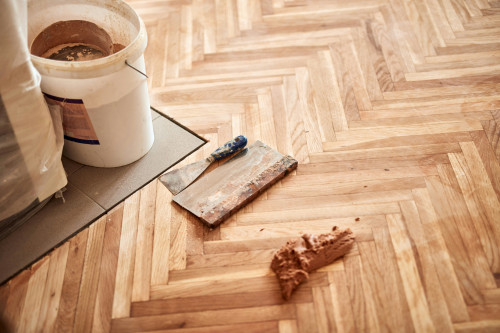
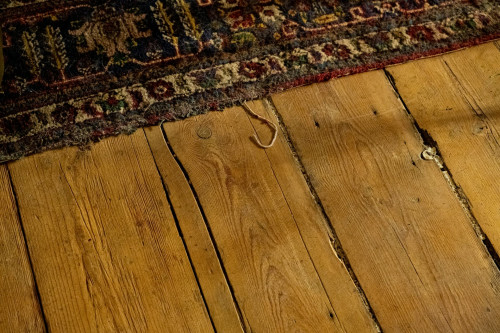
Wooden flooring is becoming increasingly popular in Indian homes for its warmth and elegance. However, wood expands and contracts with changes in humidity and temperature. To prevent warping or gaps, let the wood acclimatise to the room’s conditions for at least 48 hours before installation.
After laying the floor, allow it to settle before applying oil, lacquer, or polish. Treating it too early can trap moisture and cause bubbles or discolouration. Maintain a stable indoor temperature between 20–30°C and a relative humidity of 40–60% for best results.
Epoxy and Other Coatings – Precision Matters
Epoxy and polyurethane floors are popular in Indian factories, hospitals, and even modern homes because of their durability and seamless finish. But these materials depend on precise temperature and mixing ratios for proper curing.
If the temperature is too low, curing slows down and the surface may remain sticky. If it’s too high, the material can harden too quickly and form uneven patches. Always follow the manufacturer’s instructions carefully – including mixing proportions, working time, and curing duration.
Ideally, apply epoxy when the room temperature is between 20–30°C and avoid walking on the surface for at least 48 hours after application.
Læs også:


Humidity and Ventilation – The Hidden Factors
India’s climate varies from dry deserts to humid coasts, and both extremes can affect drying and curing. High humidity slows down evaporation, while very dry air can cause surface cracking.
Use dehumidifiers or fans in damp areas, but avoid strong air drafts or direct heat sources. Uneven drying between the surface and the base can create internal stress and damage the floor. A balanced indoor environment is the best way to ensure a smooth and durable finish.
When Is the Floor Ready for Use?
It’s tempting to start using the floor as soon as it looks finished, but patience is essential. A floor that hasn’t fully cured can lose strength, shine, or even develop permanent damage.
As a general guideline:
- Concrete: full strength after 28 days
- Epoxy: walkable after 1–2 days, fully cured after 5–7 days
- Wood with oil or lacquer: ready after 24–48 hours, depending on the product
Always check the manufacturer’s recommendations, as they are based on controlled testing.
A Durable Floor Begins with Time and Care
A long-lasting floor is not just about good materials – it’s about giving them the right conditions to perform. By managing drying and curing carefully, you can avoid cracks, unevenness, and costly repairs.
In short: take your time, control the environment, and your floor will reward you with strength, beauty, and durability for years to come.
Læs også: